Bitget Review: Is Copy Trading a Feature or a Trap for Beginners?
Bitget's spot fees sit at 0.1 percent and its copy trading network is the largest on any exchange we tested. We funded an account, followed three elite traders and checked what actually happens when leverage goes wrong.
Our verdict
Bitget's copy trading network is genuinely the deepest on any exchange we reviewed, with risk tools a beginner can set before following anyone. Those tools only work if a new trader actually uses them, and the platform's own leverage limits make it easy to hand your stop-loss discipline to someone else's account. The exchange itself runs clean fees and broad asset coverage, but it keeps expanding its restricted-country list, including a full withdrawal from Japan in August 2026, so check your jurisdiction before funding an account.
Best for: Traders who follow a vetted trader with a hard position cap and a stop-loss already set
The question we actually tested
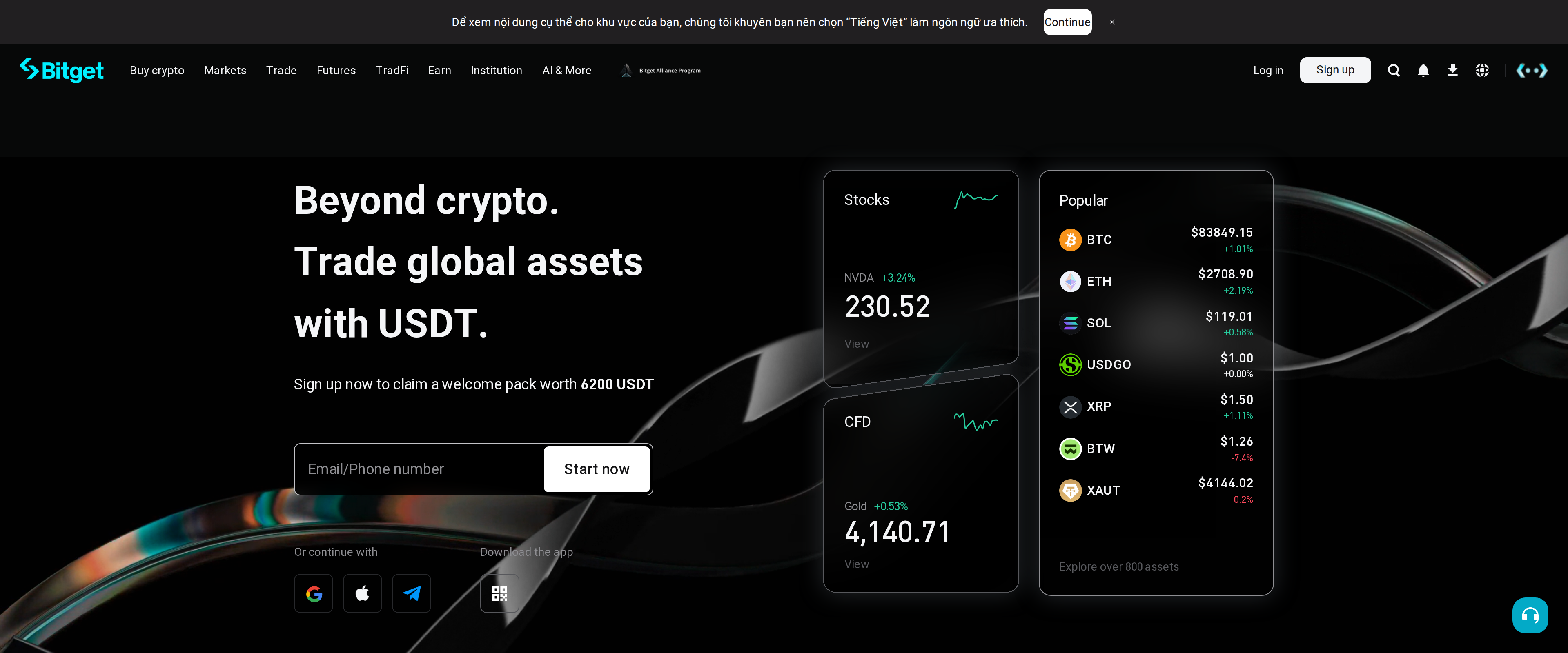
Bitget markets copy trading harder than any other feature on the platform, and the pitch is simple: pick a trader with a public track record, set how much to follow them with, and let their positions mirror into your account. We opened an account, funded it, followed three elite traders at different risk levels, and traded spot ourselves to see whether the fee sheet matched what Bitget advertises. Bitget also now bills itself as a "universal exchange" spanning crypto, tokenized stocks, gold and forex under one account, a broader pitch than most crypto-only rivals make, and we wanted to see whether the copy trading network held up under that wider umbrella or got diluted by it.
Fees are ordinary, and that is a compliment
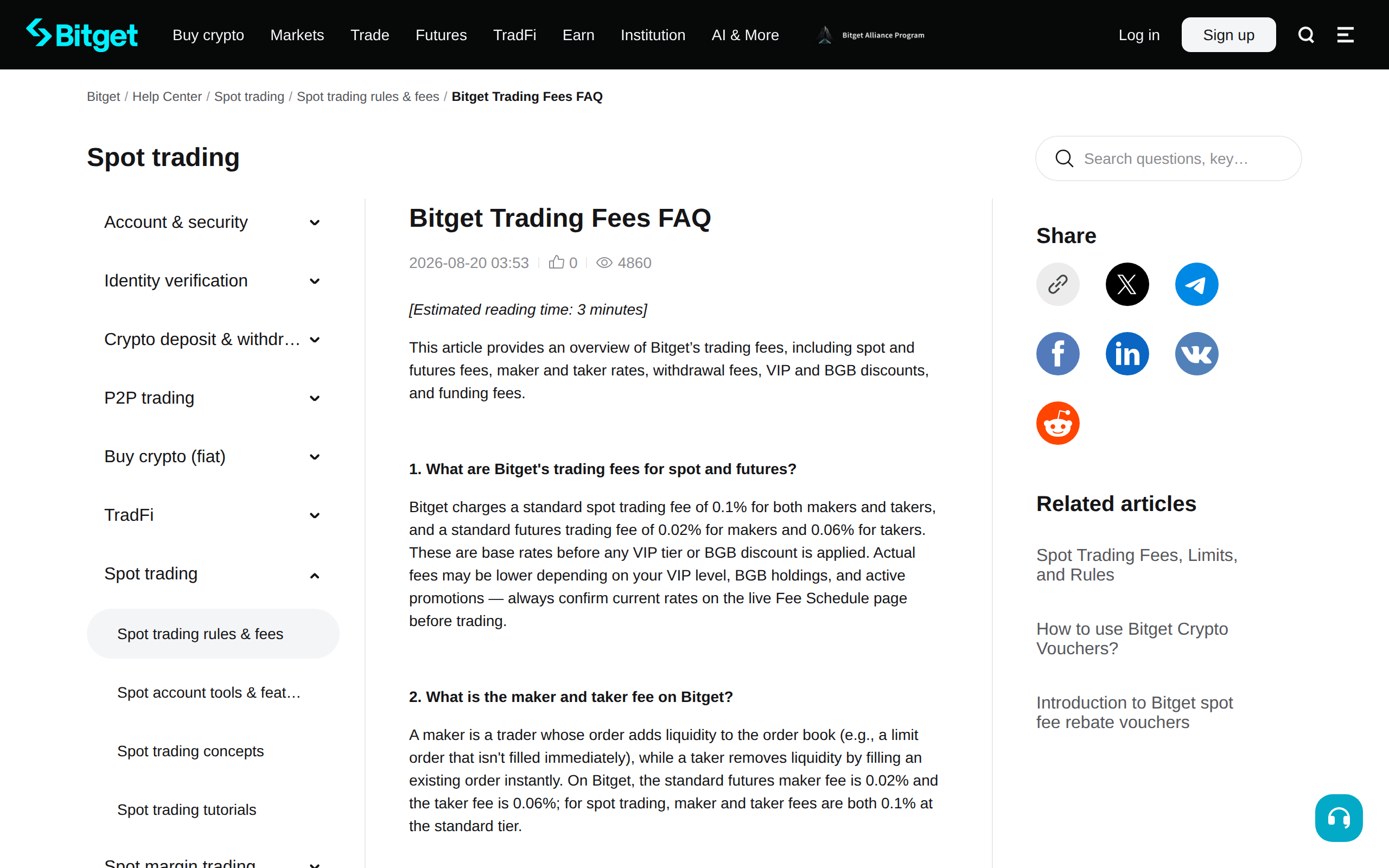
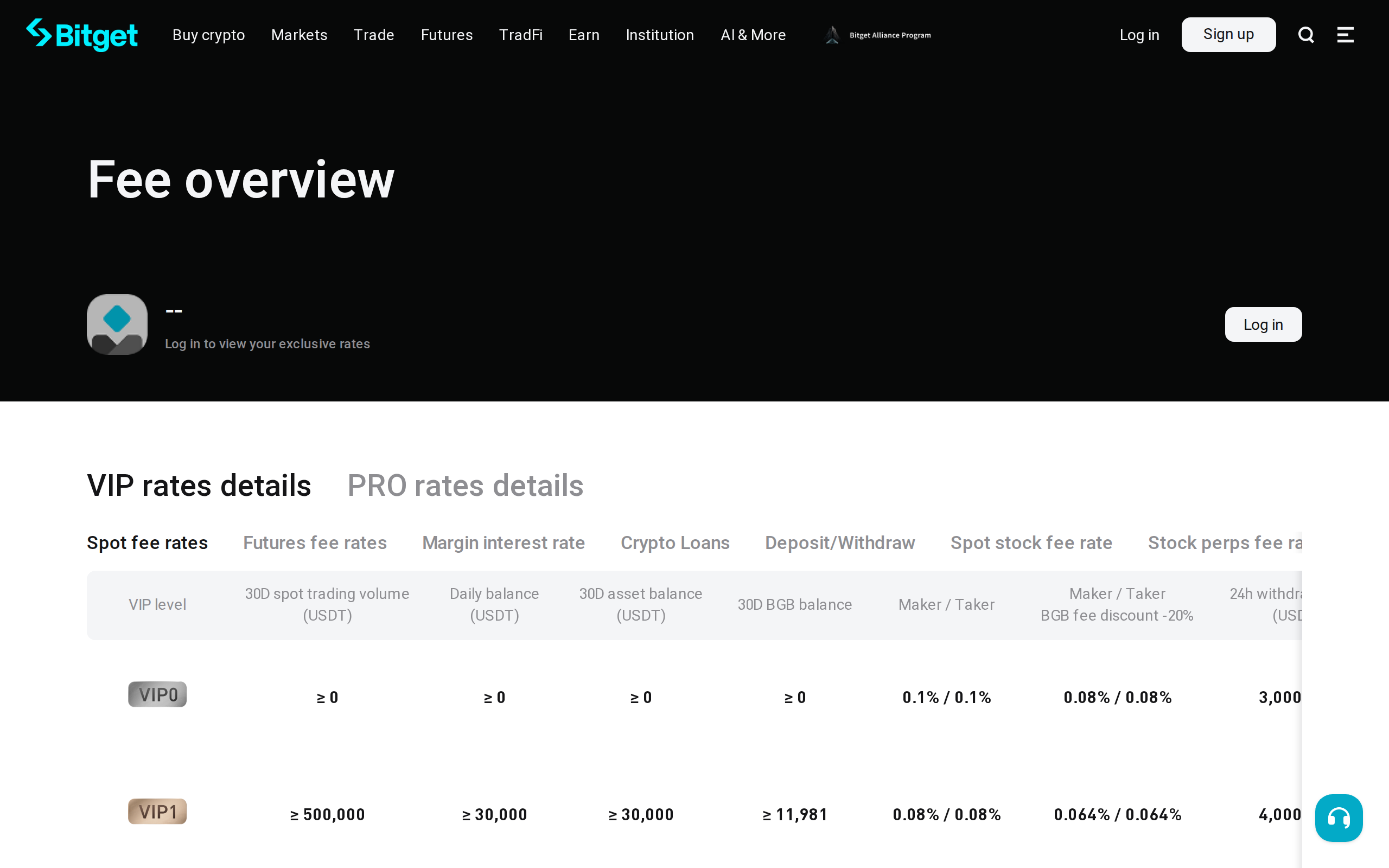
Spot trading costs 0.1% on both sides for a regular account, with no maker-taker split, and that rate drops further if you pay in BGB, the exchange's own token. USDT-M futures run 0.02% maker and 0.06% taker before any discount. Deposits are free, and withdrawal fees are network costs shown on the confirmation screen rather than a hidden Bitget markup. None of this beats the cheapest exchange we have reviewed, but it is competitive, transparent, and it matched the numbers on Bitget's own fee schedule page when we checked a live trade.
Copy trading: the controls exist, but the leverage is the trap
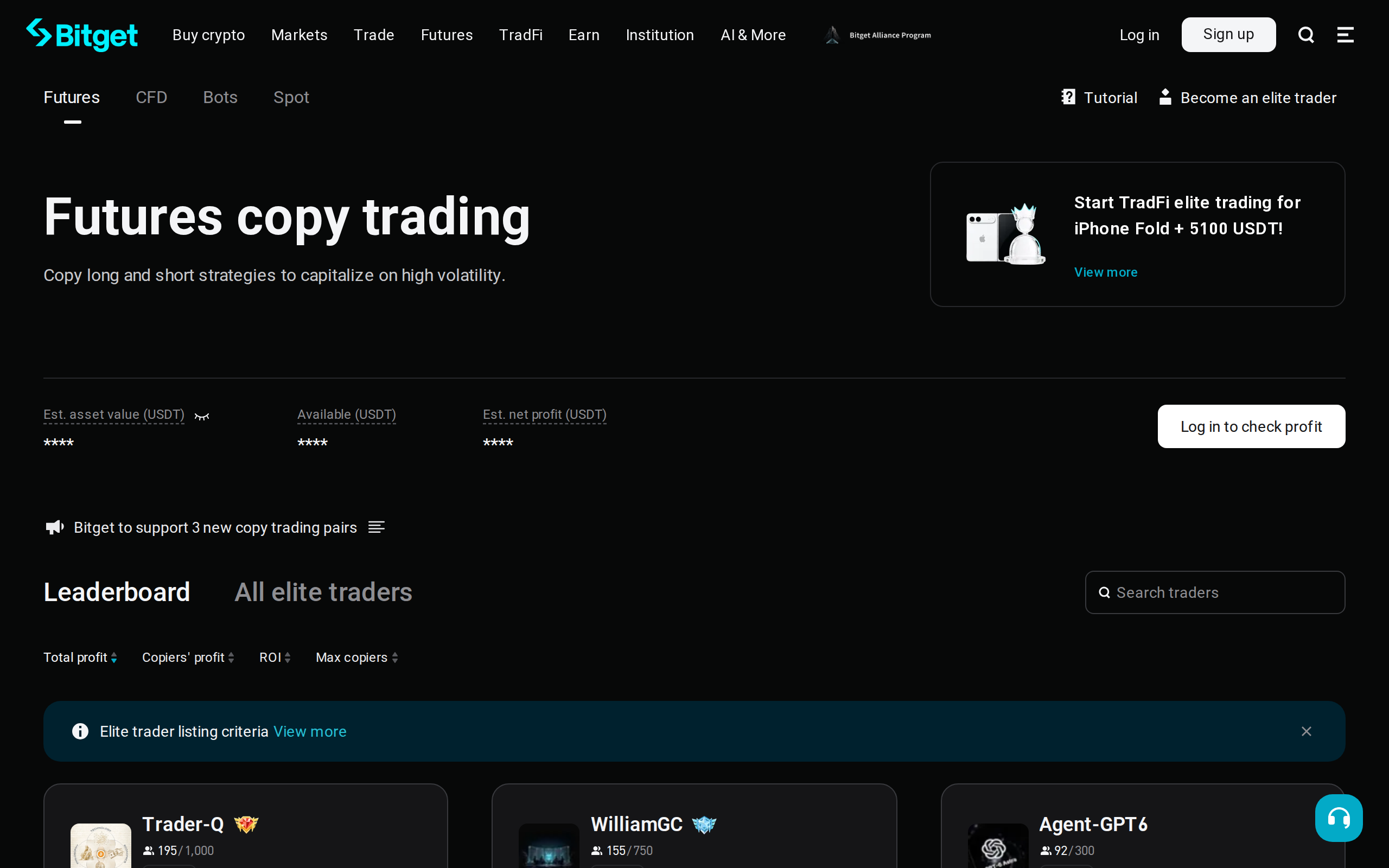
The copy trading interface lets a follower set a maximum investment, a per-trade cap, a stop-loss level and an auto-unfollow rule if a trader's performance drops. We used all four and they worked as described: one of the three traders we followed hit a losing streak, and the auto-unfollow rule pulled us out before the drawdown got worse. That is the feature working as intended. The risk sits underneath it: Bitget's CFD-style copy products support leverage running into the hundreds, and at that level a five percent move against the position can wipe out the entire stake or trigger liquidation outright. A beginner who copies a trader without setting those four controls first is handing over full discretion, including the discretion to use leverage they would never choose themselves.