Tangem Wallet review: is a screenless NFC card safe enough?
We tested the seedless card model behind Tangem, weighing its EAL6+ secure chip and independent audits against the lack of a screen and a laser attack disclosed against the hardware in mid-2026.
Our verdict
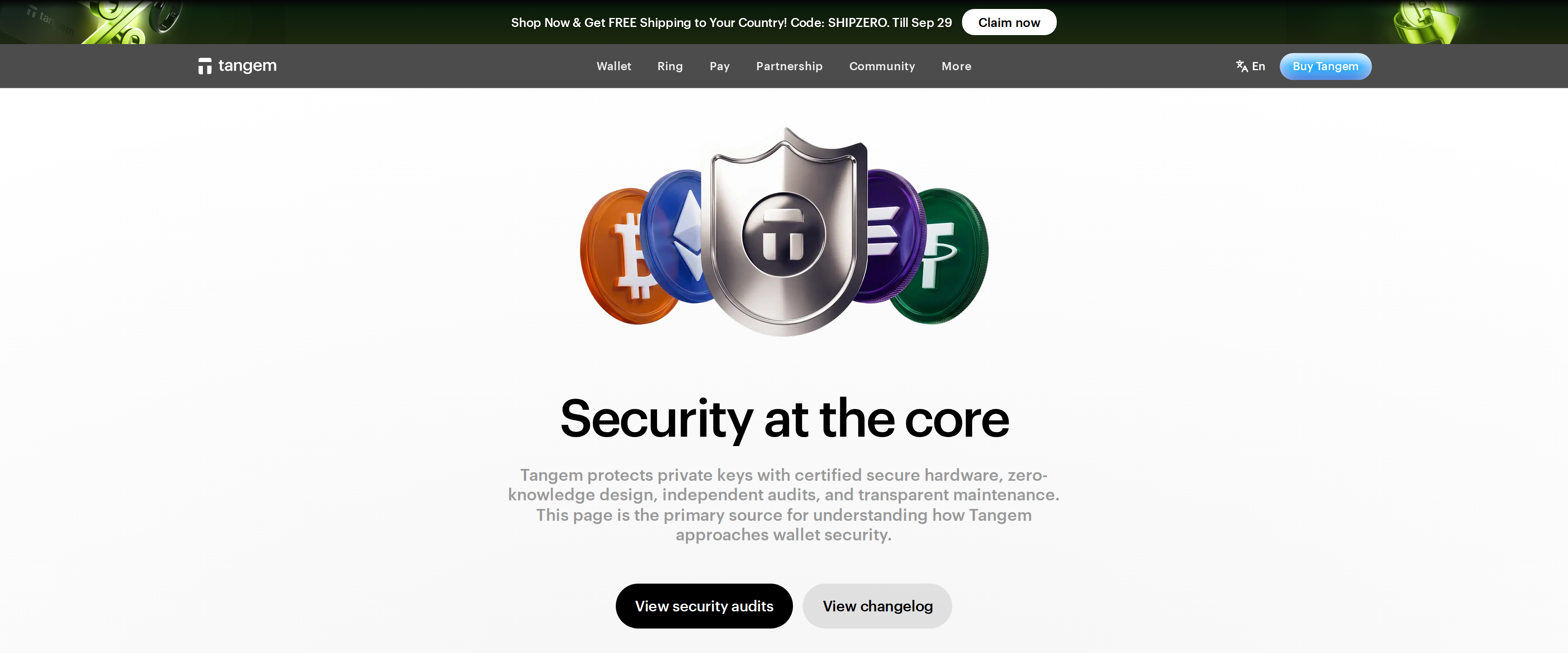
Tangem replaces the seed phrase with a set of NFC cards backed by an EAL6+ secure chip that has passed independent audits from Kudelski Security, Riscure and Cure53 without a critical finding. That holds up well against remote attackers. It holds up less well against two specific weaknesses: no screen to verify a destination address independently of the phone, and a laser fault-injection attack disclosed in July 2026 that requires physical possession of a card but can never be patched because the firmware is immutable. Treat card count and phone hygiene as part of the security model, not an afterthought.
Best for: Buyers who want tap-to-sign convenience and accept losing the on-device screen check
Every hardware wallet we have tested before this one had a screen. Tangem does not, and it does not use a seed phrase by default either: you tap a card to your phone, the app reads a certified chip, and a transaction is signed without ever showing you a confirmation on a second, independent display. That is a real departure from the category, so we set out to find where it actually costs security and where it does not.
Setting up without typing a seed phrase
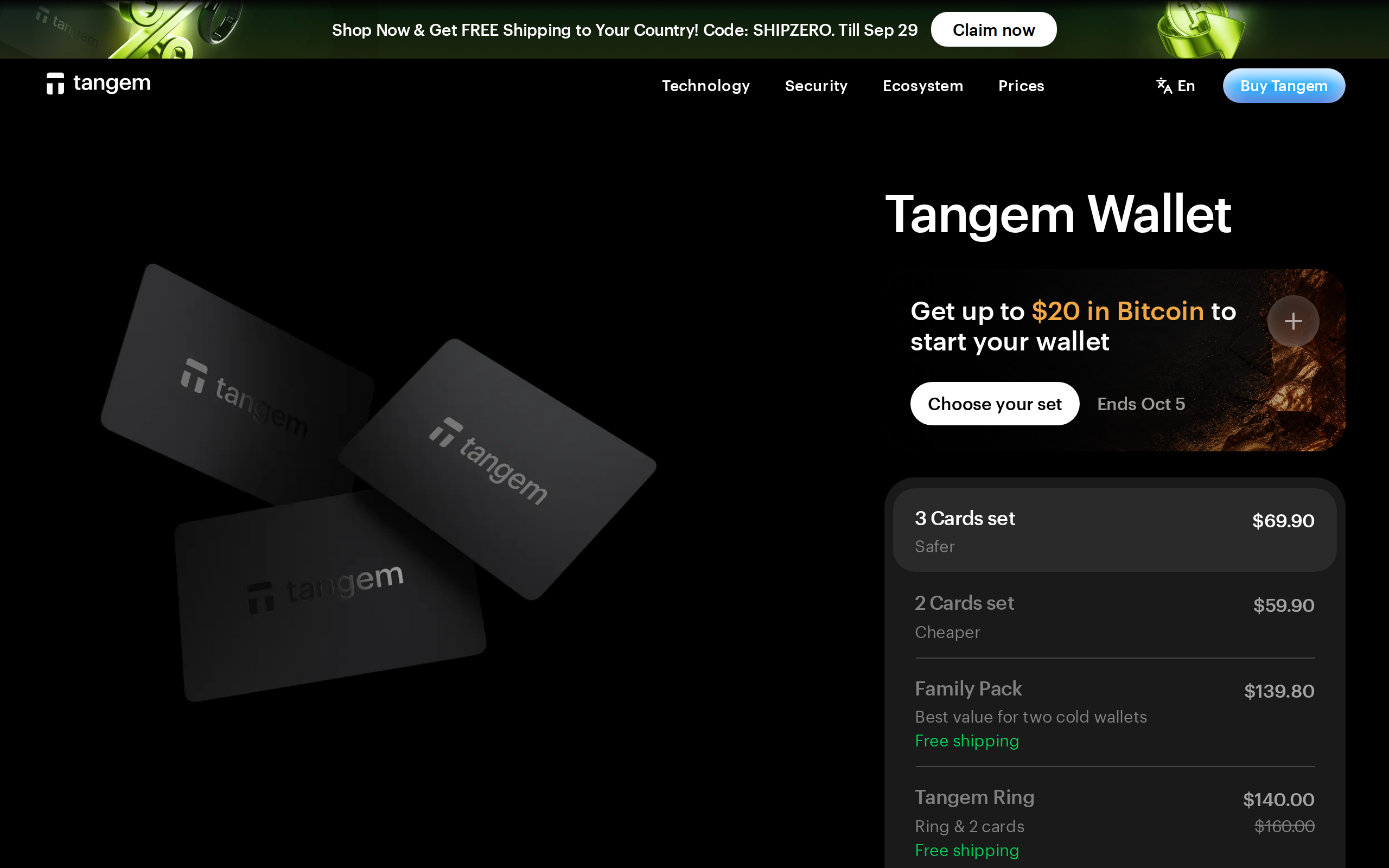
Tangem's default setup ships as a 2-card set for $59.90 or a 3-card set for $69.90, with a Family Pack of two full wallets at $129.80 and a Ring-plus-cards bundle at $160. Every order currently comes with a small BTC reward paid into a wallet you control, a sign-up incentive rather than a security feature.
Setup means tapping each card to the phone in turn so they share the same key material, then choosing between the default seedless mode, where the cards themselves are the only backup, or a seed-phrase mode you can switch to instead. Choosing seed mode gives you a familiar recovery path but switches off the multi-card failsafe the seedless design is built around, so the two modes are genuinely different products wearing the same hardware.
The chip itself checks out
The part of Tangem that has been tested hardest is the secure element, and it holds up. It carries an EAL6+ certification, the same evaluation tier used for passports and bank chip cards, rated resistant to both invasive and non-invasive attacks.